
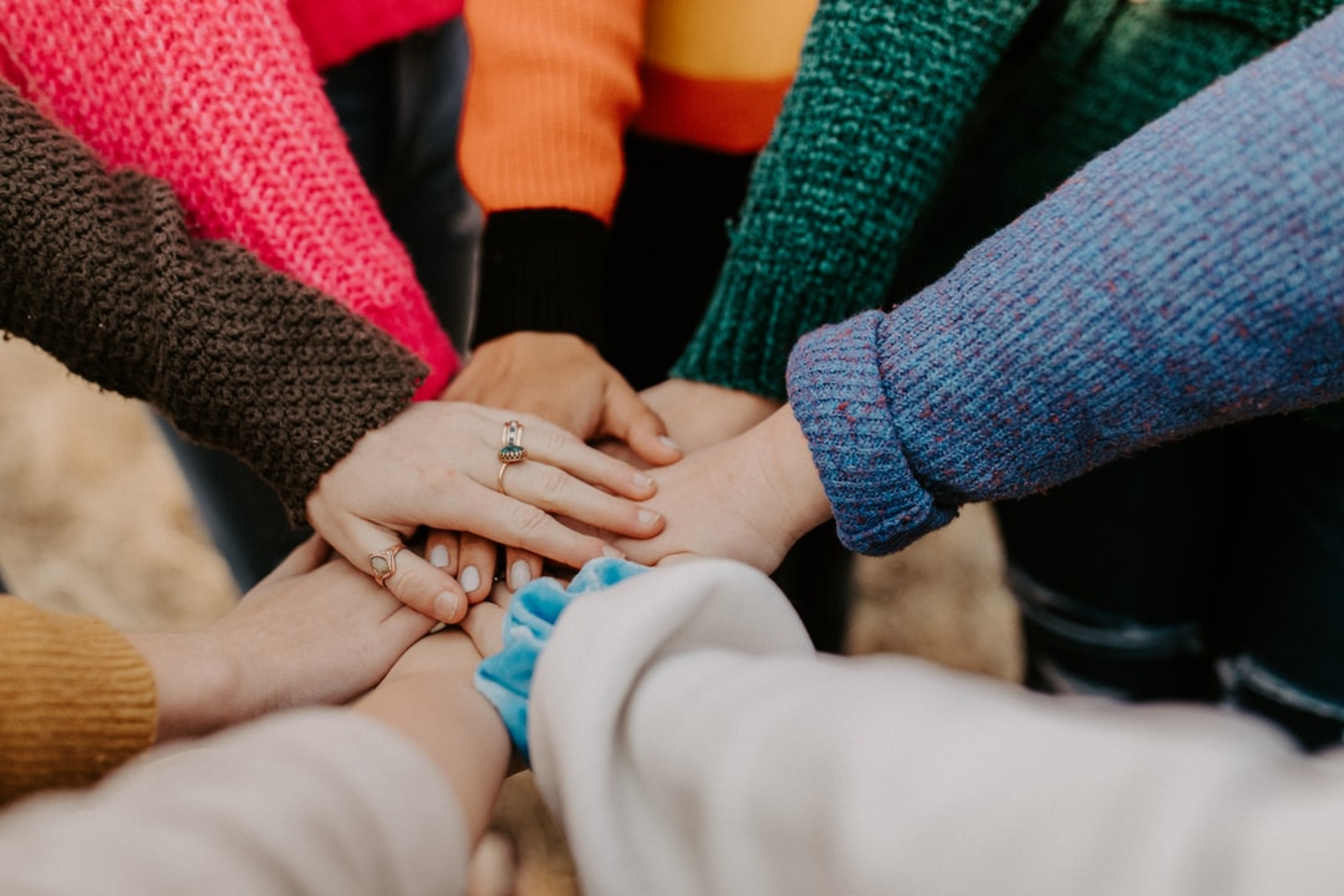
EB Connect Spotlight: Martina Villamayor
Our one-of-a-kind EB Connect community is made up of individuals and families from around the world who are navigating life with EB. The EB Connect Spotlight series highlights these individuals and their unique stories. Today’s spotlight shines on Martina Villamayor, an 18-year-old young woman from Buenos Aires, Argentina who lives with EB Simplex.
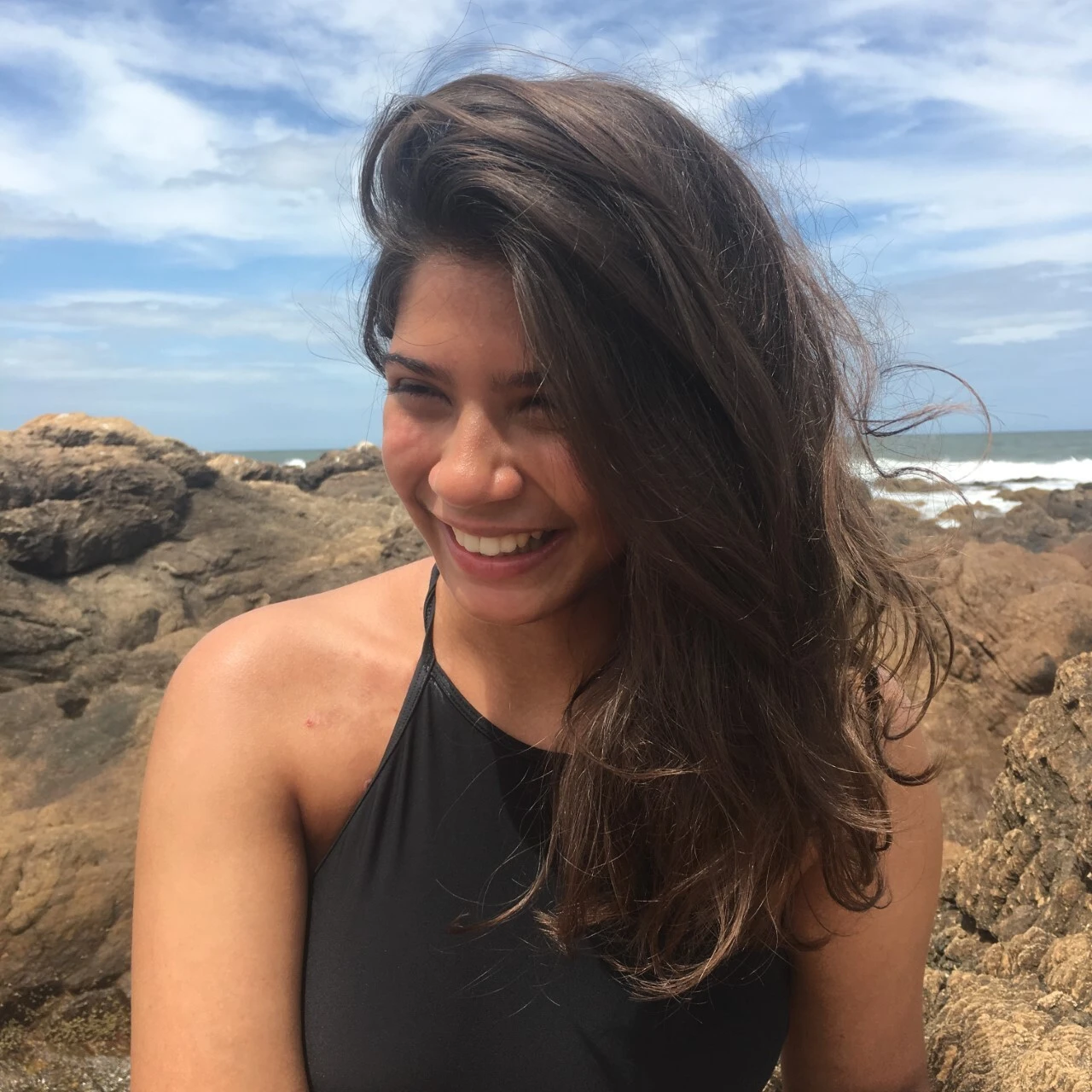
1. When were you diagnosed with EB Simplex? Please tell us about you and your family’s journey learning about your diagnosis.
I was born in Argentina in 2002, and there wasn't much information about EB, there were few doctors who were familiar with this condition. However, I was diagnosed days after my birth. After, my parents sent tests to another country to discover my subtype. It was a bit hard for them because there wasn't a lot of information out there, but with time we got to know several doctors and people who helped a lot. Internet was extremely helpful for them as well, to get in contact with experts in other parts of the world.
2. What are some challenges, if any, that you’ve faced as a young woman with EB? How did you overcome them?
Because I have EB Simplex, my symptoms are not extremely severe and improve over time. As a kid, however, there were lots of challenges. Shoes were always a complication- I wore slippers and crocs to primary school (I couldn't walk a lot in preschool, so I went to school in a stroller), and in high school I wore ballerinas instead of the typical school uniform leather shoe. Even today it is a challenge to find shoes that are comfortable and nice looking at the same time.
There were also other challenges throughout my school years. At school trips, teachers took care of me as if I was their own child, which was sometimes overwhelming and a bit embarrassing, as I was being treated differently (I was never a fan of being the center of attention). However, I am grateful for this, I appreciate all the love and support I received.
In high school, writing hundreds of notes per day, plus writing in exams- with stress added- made my hands get extremely blistered. I could use a computer to write if I needed to, but honestly, I didn't want to because it was much easier to just write on paper. Later on, these complications were a bit milder, now I struggle the most with hot and humid weather, when I'm stressed- it makes me more prone to blistering- and when I travel I am challenged because walking for hours and hours is not ideal for my feet. Also, everyday clothing is something to pay attention to, underwear, more specifically.
3. What brings you hope when you are having an especially tough day?
Gratefulness. Even with this condition, I was still able to have a ¨normal¨ life. I have good friends, a loving family, I got good grades at school, I got into my dream college… Also, I found a passion that brightens my day, with it I can be myself and express myself- Art, and more specifically, dance and design.
4. Have you met another person with EB? If so, what was that experience like?
When I was younger, I would go to a center and interact with kids my age with EB, and I got to know several people through social media. I think knowing people who go through similar things than you is very important, so as not to feel alone. I would like to meet someone my age now with EB in person.
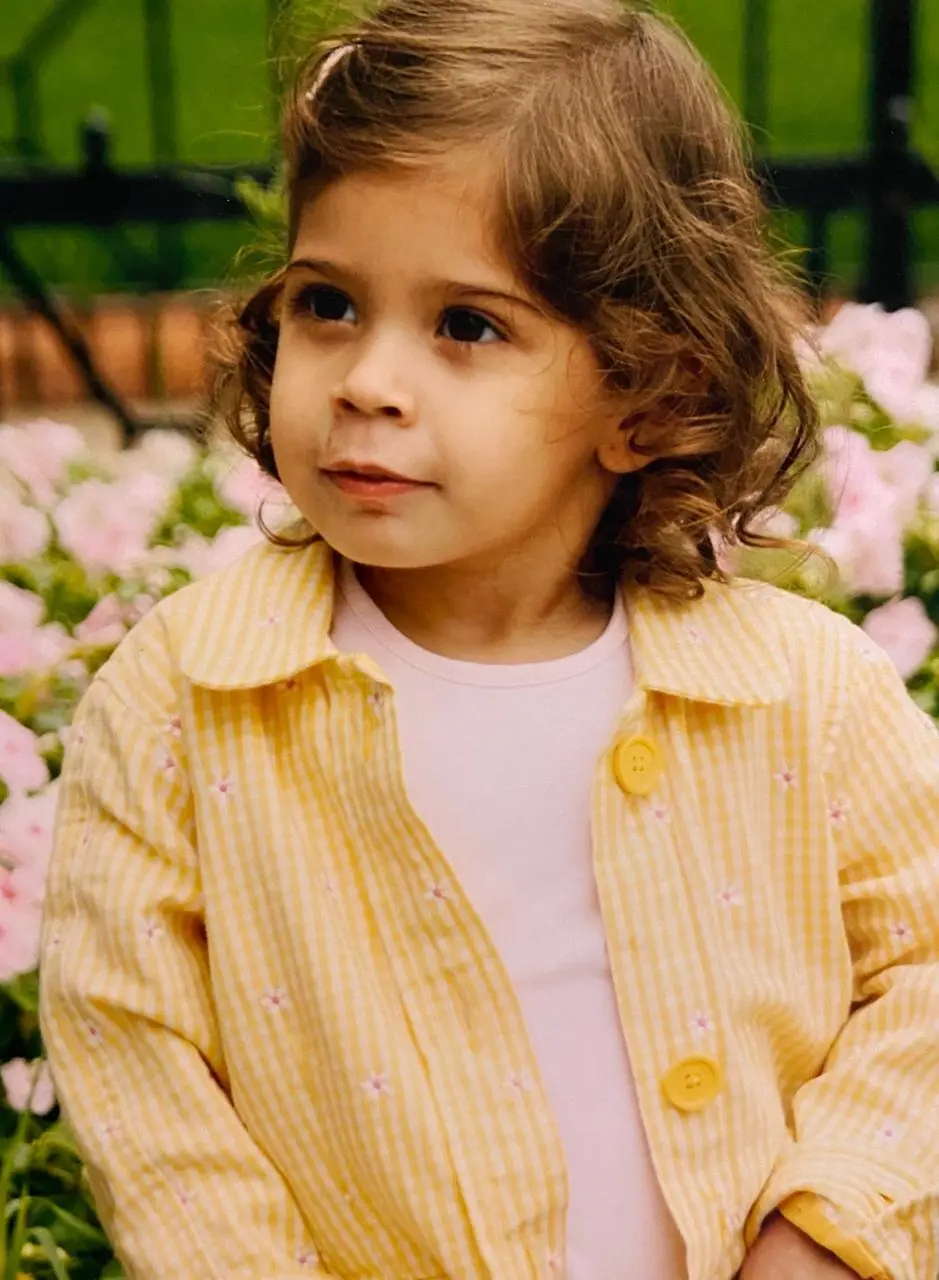
5. How did you get involved with dance? What do you enjoy most about it?
After several years at school, my family and I realized that I couldn't do PE in primary school, my skin wasn't prepared for it. However, I still had to keep moving, I needed to do some kind of sport for my health. That's why when I was seven, my parents sent me to ballet classes. However, it was two years later when I discovered my passion for dance. I found myself in a contemporary dance class, with a teacher that told me to keep on going, to push harder. Coming from an environment where I was treated so delicately, not being very encouraged to push past my limits, feeling like I couldn't do it. It was hard at first. However, it was what I needed. I fell in love. Now I dance HipHop, modern, a bit of jazz, and I plan to discover more and more styles. I got to know amazing people thanks to dance: lifelong friends, and awesome teachers that I consider as mentors and role models. I enjoy the freedom I feel when I move. I have always had quite low self-esteem, I am very insecure. Dancing empowers me, it gives me a voice. I can let myself be free, without worrying about any judgments. I also like the stubbornness that implies dancing for me. Actually, I am not supposed to be dancing and training this much because of my EB; last year, I took classes three times a week, and during the pandemic, I have been training every day. My father always tells me, when I was younger, he was grateful that I could even walk, and now I am able to dance this much. It is my passion, and if I get blistered because of dance, it is worth it 100%.
6. Does your EB present any challenges in your dance? If so, how have you managed it?
Dancing at a level that is beyond beginner demands so much of you. Training, practicing, maintaining a healthy lifestyle, taking care of yourself… Of course, my EB is a limiting factor. Before shows, I must pay extreme attention to my feet. The week before a show, I try to walk as little as possible and I try to be ultra responsible with what I do. I also learned how to treat myself between numbers, I must change socks so that my feet are fresh, and apply a lot of pain relief cream, to name a few examples. Also, I must pay attention to the shoes I wear. A bad choice of footwear and I get very blistered. Even with the correct shoe, I would get blistered, but I learned to manage. Because of all this, it would be practically impossible for me to go 100% professional, as I would depend too much on my fragile skin and my feet. However, I plan to dance so much more in the years to come.
7. Please share with us your dreams and aspirations, both immediate and/or long-term.
I graduated from High school in December and I am going to London to study Design in October. I also plan to keep dancing. Apart from my design studies, I will keep training, as I want to combine these two worlds throughout my career. I would love to work in a creative space that has mixes performance and design. Creating choreographies, art direction, teaching dance classes, scenography, costume and makeup, theatre, film… I would also like to do activism through my art. To raise awareness about world issues and inform people about conditions like EB.
8. What message would you like to share with other young adults living with EB?
Be stubborn. It may sound cheesy, but follow your passions. Even if you can´t get 100% of what you want, there is always a way of getting it at 50%, which is surely much better than nothing. If you really want to do something, and you make some sacrifices and concessions to achieve it, you can. Also, be brave. Put yourself out there, your voice matters. Inform people, share your experiences, make the world a bit better, person by person.
9. What message would you like to share with those who don’t live with EB?
Stay open. Talent comes in all different colors, shapes, sizes, and textures. A fashion model with bandages? Yes, please! A singer with visible wounds? Heck yes! A public figure without a perfect face? We need that. Be compassionate and patient, you may not know what the other person is going through. Lastly, if you are close to someone with a condition like EB- Say a partner, friend, family member, coworker, etc-. inform yourself about it, be emphatic. The person will be forever grateful for it. It means a lot when somebody tries to understand you, or at least makes an effort and informs itself.
10. How did you hear about debra of America?
When I got diagnosed, my father got involved with the organization in Latin America, so I had known Debra since a young age. When I got older, I started to follow Debra through social media. These last years I started to want to get more involved with the community.
11. Have you had a chance to check out some of the Virtual DCC webinars on the "Events & Webinars" tab? You can find a list of upcoming webinars via the top post on the tab. Which presentations do you look forward to the most?
I got into the nutrition webinar. It would be amazing to see live webinars or zoom meetings, so that participants can interact and get to know each other. Very little events are destined for young adults, or for Simplex.
12. Is there anything that you would like to add?
Everything's better when shared. Therefore, platforms like EBconnect and social media makes the journey a bit easier. Getting to know people who go through the same as you is necessary, not feeling alone is crucial for people like us. I am open and willing to meet new people, share experiences, and make new friends in the way.
Thank you, Martina, for generously sharing your story! You can connect with Martina by sending her a message on EB Connect or find her in the Young Adults Only Group.
If you would like to contribute to the EB Connect Spotlight series, please send a private message to Aigerim Saparova-Smith.