

EB Connect Spotlight: Cemil Pehlivanoğlu
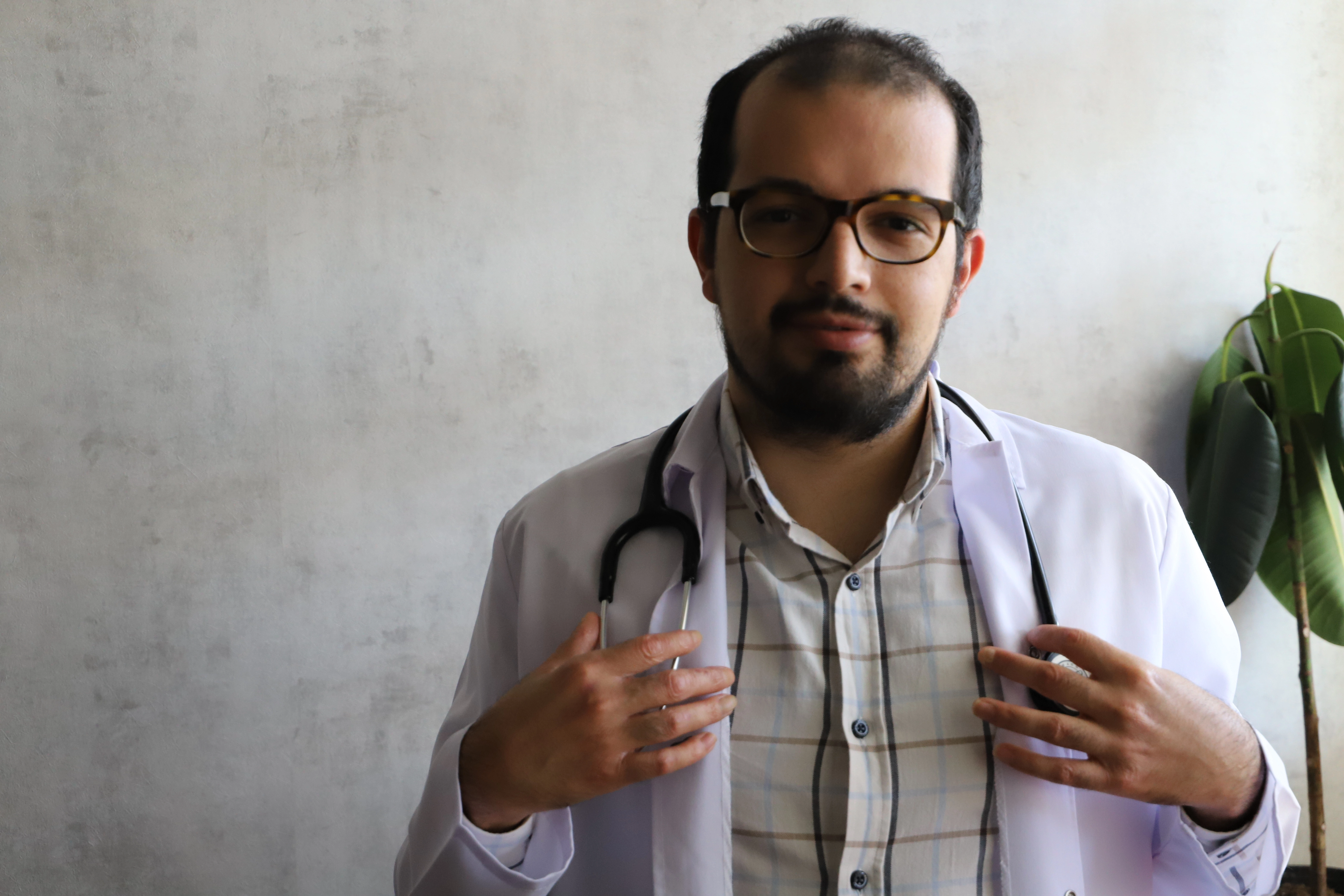
Our one-of-a-kind EB Connect community is made up of individuals and families from around the world who are navigating life with EB. The EB Connect Spotlight series highlights these individuals and their unique stories. Today’s spotlight shines on Cemil Pehlivanoğlu, a doctor from Turkey with Dystrophic EB (DEB) who is studying to become an EB researcher.
1. When were you diagnosed with EB? Please tell us about you and your family’s journey learning about the diagnosis.
I was born on June 3, 1993, in Antakya, Turkey. The first lesion was on my finger when I was three days old. Although I was taken to many doctors in the city where I was born, the diagnosis was not made until a month later. During this time, the lesions increased dramatically all over my body. I was not able to be breastfed. When I was one month old, I was diagnosed by Prof. Dr. Hamdi Rifat Memisoglu in Adana, a nearby province that had a more developed health system at the time. Dystrophic Epidermolysis Bullosa.
The diagnosis was both pleasing and devastating for my family. In the 90s, it was not as easy to find information on the condition as it is today. When my mother took me to the doctor for something uncomplicated like the common cold, it was difficult as the doctor did not know that a simple examination would cause a lesion. However, my mother and grandmother are very smart and recognised my needs and put in place methods for lessening the amount of lesions on my body. My mother has been and still is my heroine for her recognition and acceptance of the disease and her understanding of how best to lessen my discomfort. I am very fortunate to have her love and support.
2. What are some challenges, if any, that you have faced as an individual with EB? How did you learn to overcome them?
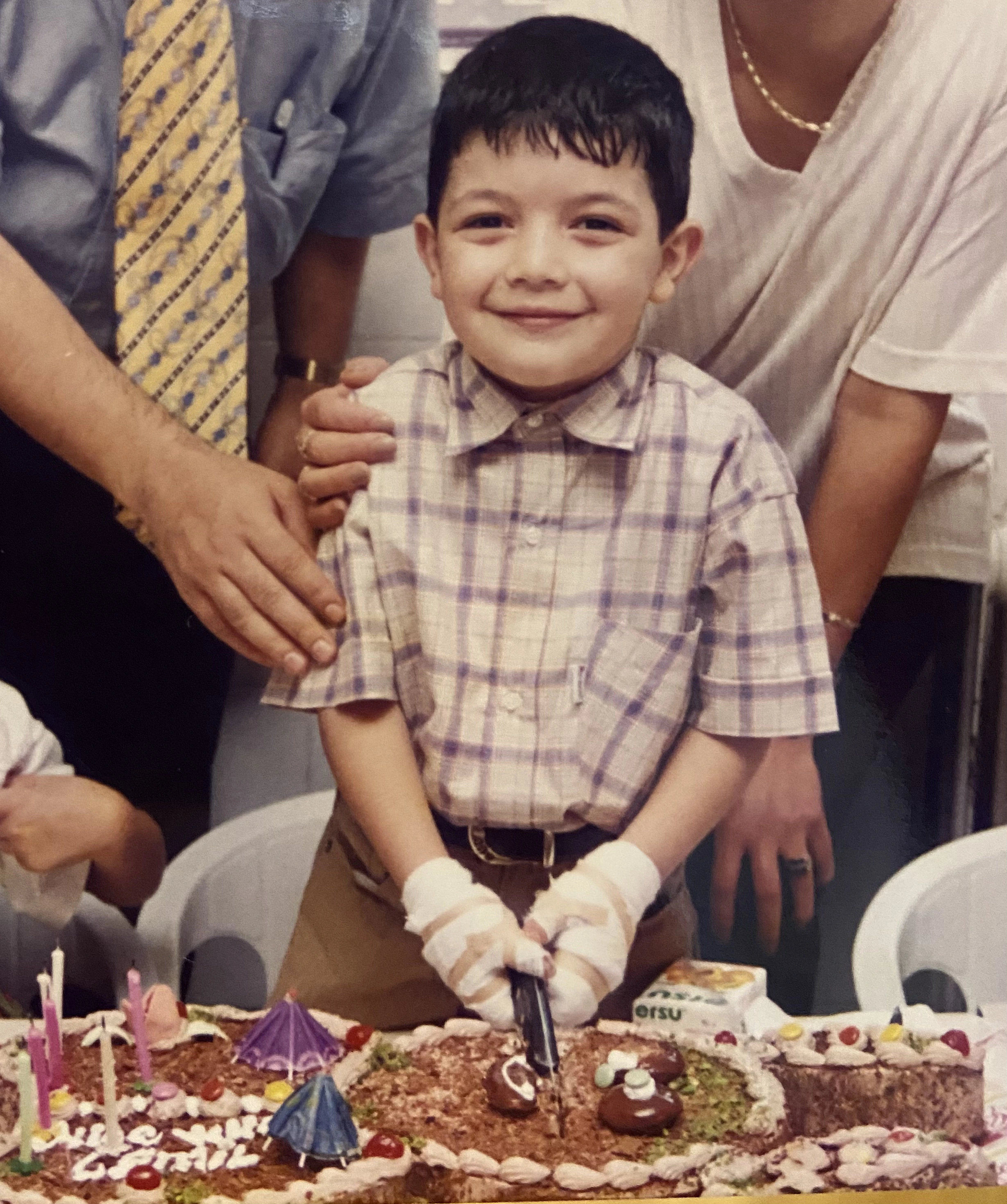
As an individual with EB, I remember my happiest moments, especially as a child, always ended with an injury. This is always a disappointment for a child. One of my biggest challenges as a kid was severe dysphagia. Sometimes getting hurt even when just drinking water. During the dressing of my wounds, my mother and I invented games to play together. Taking a shower was also very painful.
Under the conditions of that time, my mother was relieving my pain by producing intelligent and rational solutions. In addition, in order to meet my social needs, we used to play games that encouraged my creativity within the limits imposed by my clinical situation. On top of that, it was very disturbing when people asked "What happened to your hands?" in every social environment.
In primary school, some of my friends stayed away from me for a time because they thought I had an infectious disease. But one day, my classroom teacher took me with her and kissed my hands in the middle of the whole class. And she said to the class: "Look, Cemil's disease is not contagious." I was a little embarrassed, but very happy.
When I was in high school, I was determined to be top of the school. I think I pushed myself a little too much. I got very ill several times In the end, I finished third😊 As a result of the difficulties I had faced, I decided to study Medicine.
My primary goal in getting Medical Education was to better analyse my own clinical course, symptoms, and feelings, along with helping people who share the disease with me.
Ever since I was a kid, I wanted to be a scientist. As a boy, I never played with cars. I always had doctor sets or toy microscopes. My dreams were and still are the biggest thing that binds me to life and encourages me to overcome all my obstacles. And of course my biggest source of strength is my mother's support. Naturally, I decided to study medicine. As the highest scoring student at the time, I entered the Faculty of Medicine of Mustafa Kemal University, which is located in the province I am in.
My medical education has greatly helped me to produce more rational solutions for all my difficulties in life. Taking a place in the medical community is also very important to me because it will enable me to clarify the issue and, hopefully, be a good guide for other sufferers.
3. What motivated you to pursue a career as an EB researcher?
When I look in the mirror, when I feel pain, when I ask myself “why me”, every moment I live with EB, which is an unchanging fact of my life, motivates me to make a career related to EB. I believe in science. The idea of being able to add a few drops to the scientific ocean is exciting to me. When I ask myself why I exist, my only explanation is to work on this issue. Because a disease that you share life with cannot interest you scientifically enough.
Everything that makes me who I am is linked to this disease. Maybe I wouldn't be successful if I wasn't a person with EB. It is this disease that limits and motivates me in certain matters in life.
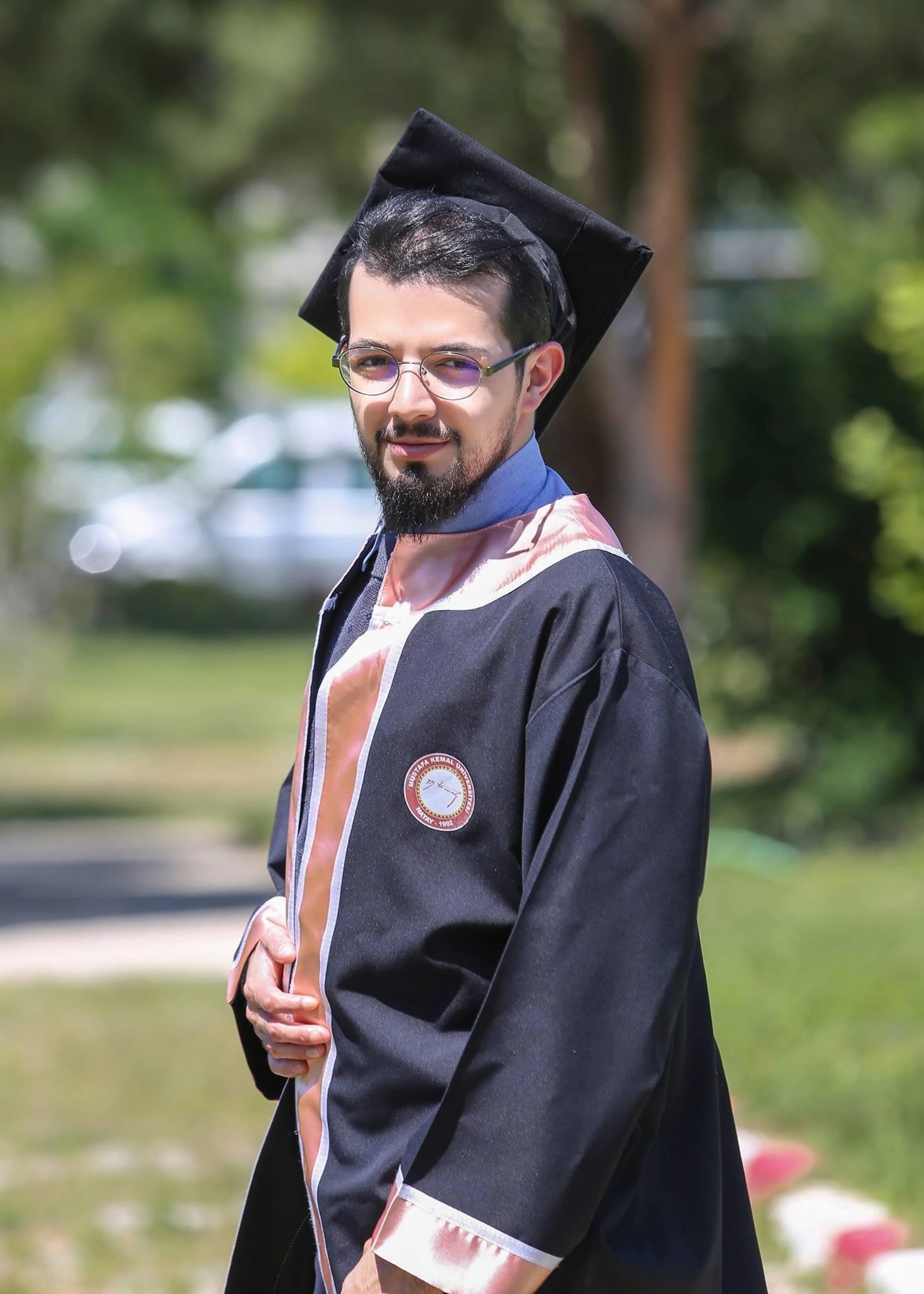
With this desire in mind, I completed medical school in 2017. In 2018, I started my doctorate education at Istanbul University Aziz Sancar Institute of Experimental Medicine, Immunology Department. Since January 2020, I have been working as a general practitioner at the Hatay State Hospital to perform my one-and-a-half-year compulsory medical service that all qualified doctors have to complete in my country. Because of the pandemic, I do not see any patients directly. My mandatory duty ends in July.
4. Please tell us more about your journey to become an EB researcher.
My doctoral education consists of two stages. The first stage is the course period. The second stage is the thesis period. I have taken all the lessons that I had to take and have successfully passed. This marked the end of the course period.
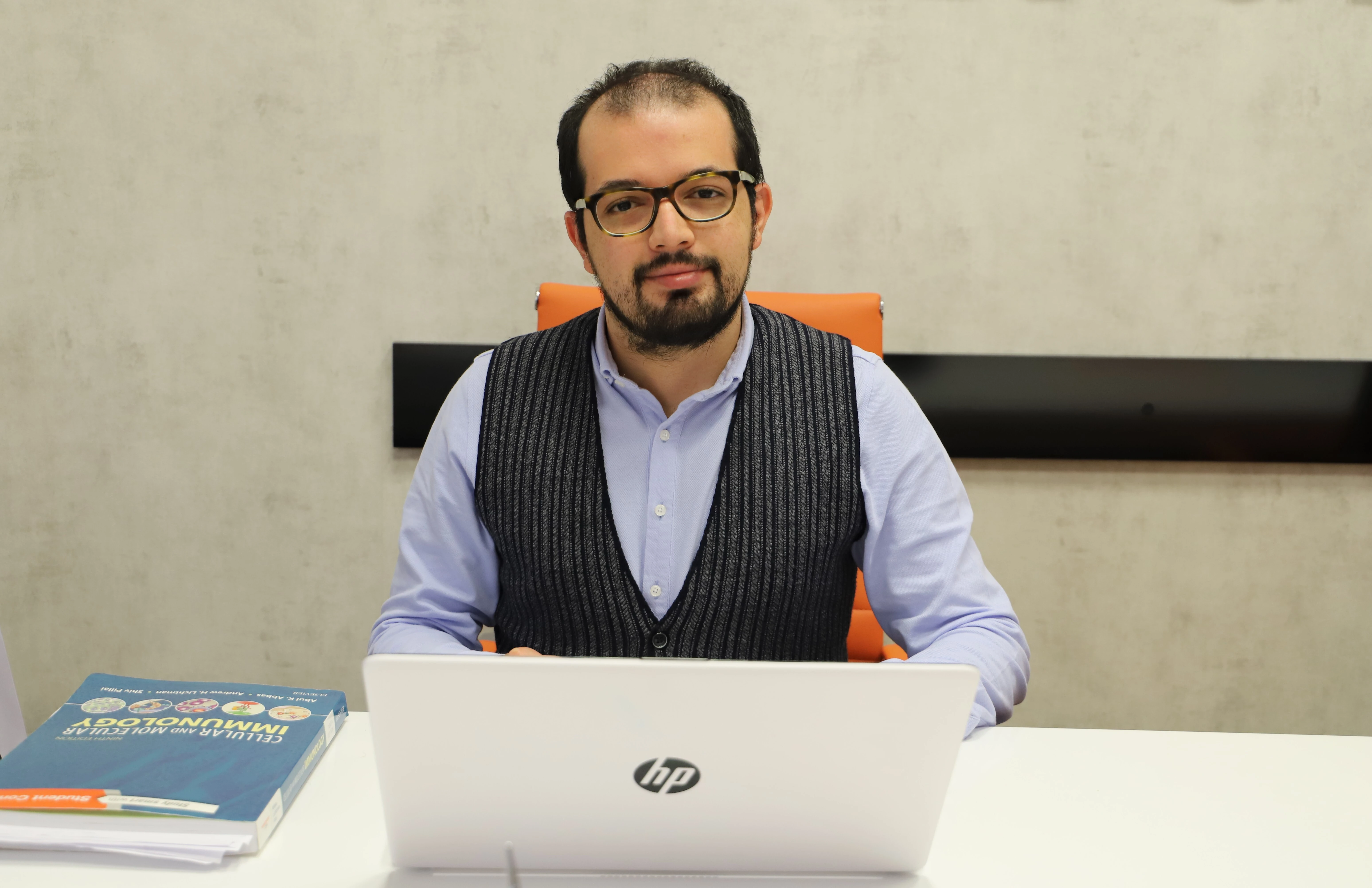
In a few months, I am going to take an important qualification exam in order to start the thesis period. So I am very close to my childhood dream of being an EB researcher. That is of course, if I find an EB research team who will accept me and guide me in undertaking an Immunology PhD thesis related to EB. Unfortunately There are no EB research teams in Turkey. So I will have to join an EB team abroad. During the upcoming thesis stage of my PhD, I would like to focus on EB related topics ( COL7 related immune function disorders, EB related Squamous Cell Carcinoma etc.) or EB treatment trials related topics ( Immunology of gene therapy, mesenchymal stem cell therapy, etc. ).
Conducting my Immunology PhD thesis on a topic related to EB will be an important stage in terms of becoming an EB researcher in the future. I think my biggest hope is to be able to join the laboratories of an EB research team to do my doctoral thesis.
5. In what ways, if any, has your EB impacted your studies and / or your work?
During my internship at Mustafa Kemal University Medical School, the time spent working in the emergency services was almost traumatic for me. During the two months there, I lost 9 kg. Emergency services are really busy, stressful and tiring. I did not expect any preferential treatment in any subject during my medical school life. Unsurprisingly, working under the same conditions as everyone in Emergency was difficult for me. I ate slowly and this didn't go down very well with my colleagues. I didn't want to tell everyone about my story in detail. This was my natural right.
Despite everything, I wanted to gain experience at a university abroad with the Erasmus Internship Exchange Program. That was how I completed three months of my internships at Szeged University in Hungary. I worked successively in Dermatology, Otorhinolaryngology and Family Medicine departments. It was an amazing experience for me. The size of the dermatology clinic was particularly impressive to me. I am still in touch with the doctors and friends that I met at that clinic.
6. What brings you hope / joy when you're having an especially tough day?
Listening to music, singing, dancing, thinking about happy memories, my achievements, my travels and dreams... They all help me cope with a difficult day. That's why I love collecting memories. I really enjoy traveling. The memories I have accumulated, the places I have been to and the friends I have made are a great source of motivation to me. Without a doubt, having a lovely family and good friends from all over the world, along with knowing that there is a place for everyone, makes me hopeful.
In addition, I think that I am, in some ways, more fortunate than many people thanks to the experience that I have gained by overcoming the obstacles that were in my way. Undoubtedly, what always motivated me was the struggle I had to face with my illness and the effort to hold on to life.
7. What message would you like to share with others impacted by EB?
Hey Butterfly kids! Don't give up! Don’t hesitate to do whatever you want to do. We are rare. We are strong. We will be stronger together. I wish everyone a Happy Rare Disease Day!
8. What message would you like to share with those who don’t live with EB?
Honestly, I don't know what life is like for people who don't have EB. I don't know what it feels like not to have to be careful while doing anything. But what I do know is that people shouldn't ask too many questions about someone’s physical appearance. “Why are your hands like that?” “What happened to your head?” “Why don't you have nails?” “How did you get all those scars?” I was exposed to these questions a lot before I started Medical School. Every scar is a bad memory. Nobody has the right to dig into other people's lives and bad memories. However, after I started medical school, people showed more respect, they stopped trying to give me advice and stopped questioning me about my phsical apperance. Because in their eyes, I was a doctor after that time, and they couldn't claim to know better than me.
9. What are your favorite features on EB Connect and why?
It is a great feeling to be able to communicate with the community and discover a real sense of belonging. It will also be great for me to be able to communicate with EB research teams here, as I continue to make progress towards my goal of joining them. The part of my story that I’m telling here is just the tip of the iceberg. Immortalizing my short story, while I have the opportunity to do so by sharing it with EB Connect, was an easier and more comfortable solution for me than writing a book or speaking in a TED talk. Both of which I would love to be able to do if the opportunity should present itself. So I am really grateful to DEBRA of America and EB Connect for giving people worldwide the chance to share their stories with the world and with each other.
Thank you, Cemil, for sharing your story! You can connect with Cemil by sending him a message.
If you would like to contribute to the EB Connect Spotlight series, please send a private message to Aigerim!